
Genesis 30:17 Daily Devotional & Meaning – God Hearkened unto Leah

Daily Verses Everyday! Day 177
“And God hearkened unto Leah, and she conceived, and bare Jacob the fifth son.”
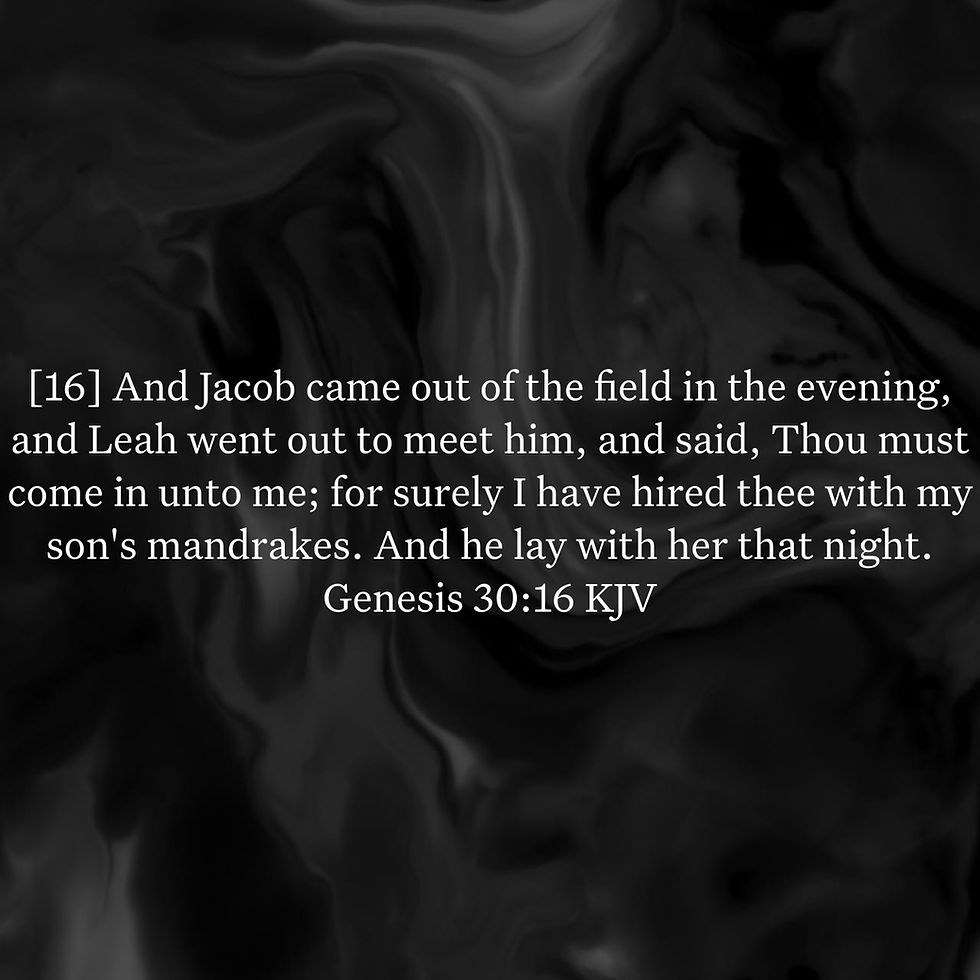
God now hearkens unto Leah, and she conceives again. After all the rivalry, bargaining, mandrakes, accusations, and wounded words, this verse brings the focus back to the Lord. Leah had gone out to meet Jacob and said that she had hired him with her son’s mandrakes. The situation was deeply tangled. The household was full of pain. Rachel wanted the mandrakes, Leah wanted Jacob’s presence, and Jacob lay with Leah that night. But Genesis 30:17 makes it clear that conception did not finally come because of mandrakes, bargaining, or human control. It came because God hearkened unto Leah.
That word “hearkened” is beautiful. It means God listened. God heard Leah. The Lord was not absent from this broken household. He was not distant from Leah’s sorrow. He was not deaf to the ache of the unloved wife. Even in a family filled with rivalry and disorder, God heard. Leah may have been unloved by Jacob, but she was not unheard by God. Jacob may have failed to cherish her as she longed to be cherished, but the Lord still listened to her.
This is one of the most comforting truths in Leah’s story. Leah’s life had been marked by rejection. She was placed into marriage through Laban’s deception. She became Jacob’s wife, but not the wife of his deepest affection. She bore sons, but even her motherhood did not fully heal the wound in her heart. Again and again, her children’s names revealed her longing to be seen and loved. Yet through all of that, God saw her. God heard her. God remembered her. God was attentive to her in the place where Jacob was emotionally distant.
This verse comes right after the mandrake bargain, and that placement matters. Rachel had wanted the mandrakes, likely because they were associated with fertility. Leah had traded them for a night with Jacob. From a human viewpoint, someone might think the mandrakes were the important thing. Rachel wanted them because she hoped they might help her conceive. Leah gave them away and spent the night with Jacob. But the text does not say the mandrakes opened the womb. It says, “God hearkened unto Leah.”
That is the theological center of the verse. God gives life. Not superstition. Not fertility symbols. Not human bargaining. Not household competition. Not mandrakes. God.
The family has been acting as though blessing can be managed by human strategy. Rachel used Bilhah. Leah used Zilpah. Rachel sought mandrakes. Leah bargained for Jacob. Each person is trying to secure something through arrangement and control. But Genesis keeps reminding us that the womb belongs to the Lord. Jacob had already said, “Am I in God's stead, who hath withheld from thee the fruit of the womb?” He was right. Only God can give life. Now the story proves it again. Leah conceives because God hears.
This does not mean Leah’s bargaining was righteous. It does not mean the household’s rivalry was good. It does not mean the mandrake exchange was spiritually healthy. God’s mercy in hearing Leah does not sanctify every human action that surrounded the event. Rather, it shows that God is merciful even in the middle of human mess. He is gracious enough to hear wounded people even when their circumstances are tangled. He is faithful enough to bring life even when His people are acting out of insecurity, envy, and pain.
That distinction matters. God’s kindness is not the same thing as God’s approval of every detail. The Lord heard Leah, but that does not mean the rivalry was pleasing to Him. The Lord gave conception, but that does not mean treating Jacob’s presence as something hired was right. The Lord worked, but the household still needed healing. Grace does not erase the need for repentance. Mercy does not make disorder harmless.
Still, what mercy this is. Leah had felt unwanted by Jacob, but heaven did not ignore her. Her husband’s affection was divided, but God’s attention was not. Jacob’s love may have favored Rachel, but the Lord was not bound by Jacob’s favoritism. God heard Leah. That should comfort anyone who feels overlooked by people. Human beings may fail to see, fail to listen, fail to value, or fail to love rightly. But the Lord is not limited by human neglect. He hears the cries that others dismiss. He sees the tears that others overlook. He knows the ache beneath the words.
Leah’s conception also reminds us that God’s compassion is personal. The verse does not speak in vague terms. It does not simply say that Leah conceived. It says God hearkened unto Leah. The Lord is personally involved. He hears this specific woman, in this specific household, with this specific pain. Leah is not just a figure in Jacob’s story. She is not merely the less-loved wife. She is a woman seen and heard by God.
That is important because Leah’s identity in the household has often been shaped by comparison. She is compared to Rachel. Rachel is beautiful and well favored. Rachel is loved. Leah is tender eyed and less loved. Rachel has Jacob’s heart. Leah has children. Their lives are constantly measured against one another. But God does not see Leah merely in comparison to Rachel. He sees Leah herself. He hears Leah herself. He deals with Leah as a person before Him.
This is freeing. God does not need to compare us to another person in order to know our worth. He does not love by comparison. He does not hear only the loudest, strongest, most favored, or most visible. He hears the hidden. He hears the wounded. He hears the one who feels second place. Leah was not first in Jacob’s heart, but she was not second in God’s hearing.
The verse says Leah “conceived, and bare Jacob the fifth son.” This is Leah’s fifth son personally, not counting the sons born through Zilpah. Reuben, Simeon, Levi, and Judah had already come from Leah’s own womb. Then, after her pause in childbearing, she had given Zilpah to Jacob, and Zilpah bore Gad and Asher. Now Leah herself conceives again. Her own womb is opened again. The pause was not final. The season of stopped bearing was not the end of her fruitfulness.
This is another lesson in the verse. A pause is not always an ending. Leah had seen that she had left bearing, and that sight had led her into anxious action. She gave Zilpah to Jacob because she feared losing ground in the rivalry with Rachel. But now God opens Leah’s womb again. The thing Leah thought had stopped was not beyond God’s power to restart. The fruitfulness Leah tried to supplement through human strategy was still in the hands of the Lord.
This speaks deeply to seasons of waiting. Sometimes when something pauses, we panic. We think the blessing is over. We think the door has closed forever. We think someone else is passing us. We think we must act quickly, forcefully, and strategically or we will lose our place. Leah saw that she had left bearing and entered the rivalry through Zilpah. But Genesis 30:17 shows that God was still able to give life after the pause.
The waiting season did not mean God was powerless. The pause did not mean God had forgotten. The delay did not mean Leah had to take matters into her own hands. God could still hear. God could still open. God could still give.
This is a powerful reminder that God is not limited by what appears to have stopped. He can renew fruitfulness. He can reopen what seems closed. He can bring life after a pause. He can answer after silence. He can act after we have assumed the season is over. The faithful response to a pause is not panic, but prayer. Not rivalry, but trust. Not manipulation, but waiting upon the Lord.
Leah’s fifth son also reveals God’s surprising kindness. Leah had not handled everything perfectly. She had participated in the rivalry. She had given Zilpah to Jacob. She had bargained with Rachel. Her motives were mixed. Yet God still heard her. This shows that God’s mercy is not given only to people whose motives are completely pure. If that were the case, who would receive mercy? God often hears weak, wounded, imperfect people who do not even fully understand their own hearts.
God now hearkens unto Leah, and she conceives again. After all the rivalry, bargaining, mandrakes, accusations, and wounded words, this verse brings the focus back to the Lord. Leah had gone out to meet Jacob and said that she had hired him with her son’s mandrakes. The situation was deeply tangled. The household was full of pain. Rachel wanted the mandrakes, Leah wanted Jacob’s presence, and Jacob lay with Leah that night. But Genesis 30:17 makes it clear that conception did not finally come because of mandrakes, bargaining, or human control. It came because God hearkened unto Leah.
That word “hearkened” is beautiful. It means God listened. God heard Leah. The Lord was not absent from this broken household. He was not distant from Leah’s sorrow. He was not deaf to the ache of the unloved wife. Even in a family filled with rivalry and disorder, God heard. Leah may have been unloved by Jacob, but she was not unheard by God. Jacob may have failed to cherish her as she longed to be cherished, but the Lord still listened to her.
This is one of the most comforting truths in Leah’s story. Leah’s life had been marked by rejection. She was placed into marriage through Laban’s deception. She became Jacob’s wife, but not the wife of his deepest affection. She bore sons, but even her motherhood did not fully heal the wound in her heart. Again and again, her children’s names revealed her longing to be seen and loved. Yet through all of that, God saw her. God heard her. God remembered her. God was attentive to her in the place where Jacob was emotionally distant.
This verse comes right after the mandrake bargain, and that placement matters. Rachel had wanted the mandrakes, likely because they were associated with fertility. Leah had traded them for a night with Jacob. From a human viewpoint, someone might think the mandrakes were the important thing. Rachel wanted them because she hoped they might help her conceive. Leah gave them away and spent the night with Jacob. But the text does not say the mandrakes opened the womb. It says, “God hearkened unto Leah.”
That is the theological center of the verse. God gives life. Not superstition. Not fertility symbols. Not human bargaining. Not household competition. Not mandrakes. God.
The family has been acting as though blessing can be managed by human strategy. Rachel used Bilhah. Leah used Zilpah. Rachel sought mandrakes. Leah bargained for Jacob. Each person is trying to secure something through arrangement and control. But Genesis keeps reminding us that the womb belongs to the Lord. Jacob had already said, “Am I in God's stead, who hath withheld from thee the fruit of the womb?” He was right. Only God can give life. Now the story proves it again. Leah conceives because God hears.
This does not mean Leah’s bargaining was righteous. It does not mean the household’s rivalry was good. It does not mean the mandrake exchange was spiritually healthy. God’s mercy in hearing Leah does not sanctify every human action that surrounded the event. Rather, it shows that God is merciful even in the middle of human mess. He is gracious enough to hear wounded people even when their circumstances are tangled. He is faithful enough to bring life even when His people are acting out of insecurity, envy, and pain.
That distinction matters. God’s kindness is not the same thing as God’s approval of every detail. The Lord heard Leah, but that does not mean the rivalry was pleasing to Him. The Lord gave conception, but that does not mean treating Jacob’s presence as something hired was right. The Lord worked, but the household still needed healing. Grace does not erase the need for repentance. Mercy does not make disorder harmless.
Still, what mercy this is. Leah had felt unwanted by Jacob, but heaven did not ignore her. Her husband’s affection was divided, but God’s attention was not. Jacob’s love may have favored Rachel, but the Lord was not bound by Jacob’s favoritism. God heard Leah. That should comfort anyone who feels overlooked by people. Human beings may fail to see, fail to listen, fail to value, or fail to love rightly. But the Lord is not limited by human neglect. He hears the cries that others dismiss. He sees the tears that others overlook. He knows the ache beneath the words.
Leah’s conception also reminds us that God’s compassion is personal. The verse does not speak in vague terms. It does not simply say that Leah conceived. It says God hearkened unto Leah. The Lord is personally involved. He hears this specific woman, in this specific household, with this specific pain. Leah is not just a figure in Jacob’s story. She is not merely the less-loved wife. She is a woman seen and heard by God.
That is important because Leah’s identity in the household has often been shaped by comparison. She is compared to Rachel. Rachel is beautiful and well favored. Rachel is loved. Leah is tender eyed and less loved. Rachel has Jacob’s heart. Leah has children. Their lives are constantly measured against one another. But God does not see Leah merely in comparison to Rachel. He sees Leah herself. He hears Leah herself. He deals with Leah as a person before Him.
This is freeing. God does not need to compare us to another person in order to know our worth. He does not love by comparison. He does not hear only the loudest, strongest, most favored, or most visible. He hears the hidden. He hears the wounded. He hears the one who feels second place. Leah was not first in Jacob’s heart, but she was not second in God’s hearing.
The verse says Leah “conceived, and bare Jacob the fifth son.” This is Leah’s fifth son personally, not counting the sons born through Zilpah. Reuben, Simeon, Levi, and Judah had already come from Leah’s own womb. Then, after her pause in childbearing, she had given Zilpah to Jacob, and Zilpah bore Gad and Asher. Now Leah herself conceives again. Her own womb is opened again. The pause was not final. The season of stopped bearing was not the end of her fruitfulness.
This is another lesson in the verse. A pause is not always an ending. Leah had seen that she had left bearing, and that sight had led her into anxious action. She gave Zilpah to Jacob because she feared losing ground in the rivalry with Rachel. But now God opens Leah’s womb again. The thing Leah thought had stopped was not beyond God’s power to restart. The fruitfulness Leah tried to supplement through human strategy was still in the hands of the Lord.
This speaks deeply to seasons of waiting. Sometimes when something pauses, we panic. We think the blessing is over. We think the door has closed forever. We think someone else is passing us. We think we must act quickly, forcefully, and strategically or we will lose our place. Leah saw that she had left bearing and entered the rivalry through Zilpah. But Genesis 30:17 shows that God was still able to give life after the pause.
The waiting season did not mean God was powerless. The pause did not mean God had forgotten. The delay did not mean Leah had to take matters into her own hands. God could still hear. God could still open. God could still give.
This is a powerful reminder that God is not limited by what appears to have stopped. He can renew fruitfulness. He can reopen what seems closed. He can bring life after a pause. He can answer after silence. He can act after we have assumed the season is over. The faithful response to a pause is not panic, but prayer. Not rivalry, but trust. Not manipulation, but waiting upon the Lord.
Leah’s fifth son also reveals God’s surprising kindness. Leah had not handled everything perfectly. She had participated in the rivalry. She had given Zilpah to Jacob. She had bargained with Rachel. Her motives were mixed. Yet God still heard her. This shows that God’s mercy is not given only to people whose motives are completely pure. If that were the case, who would receive mercy? God often hears weak, wounded, imperfect people who do not even fully understand their own hearts.
If you would like to explore Genesis in a sustained, verse-by-verse way with space to reflect, journal, and trace how these foundational truths unfold through Scripture the Verse by Verse book expands these reflections into a unified reading experience. The book gathers these meditations into a structured journey through Genesis, designed to help readers linger in the text and engage God’s Word more deeply over time.


Comments