
Genesis 16:14 Daily Devotional & Meaning – Beer-lahai-roi, the Well of the God Who Sees and Sustains

Daily Verses Everyday! Day 70
“Wherefore the well was called Beer-lahai-roi; behold, [it is] between Kadesh and Bered.”
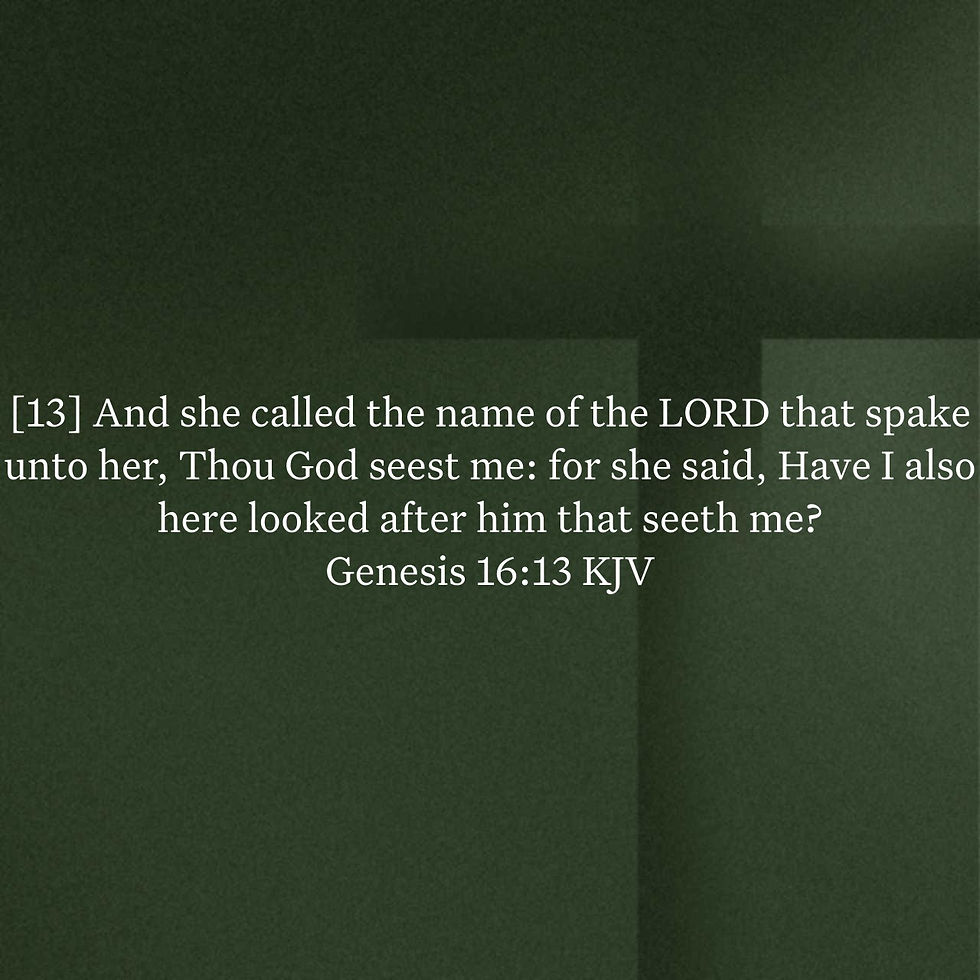
Genesis 16:14 concludes Hagar’s encounter with God in a remarkable way. The name itself, Beer-lahai-roi, can be translated as “the well of the Living One who sees me,” directly linking the physical place to Hagar’s profound spiritual realization that God has seen her. This well becomes more than a source of water; it is a tangible monument to God’s faithfulness, His relational attentiveness, and His ability to meet human need in the midst of suffering.
First, consider the symbolic significance of a well. In the ancient Near East, wells were lifelines. They provided water, the essential element for physical survival in arid regions. In naming this well Beerlahairoi, Hagar transforms her personal spiritual encounter into a lasting marker of life and provision. Just as water sustains the body, God sustains the soul. The well signifies that God’s attention and care are life-giving, not merely abstract or temporary. Hagar’s naming of the well is a testament that God does not merely observe human suffering from a distance; He intervenes in a way that brings restoration, provision, and hope.
The placement of the well “between Kadesh and Bered” also carries significance. The mention of geographic markers roots this divine encounter in reality, emphasizing that spiritual truths are not separate from the physical world. God’s relational presence is not confined to mystical or invisible realms; it manifests concretely in the places we inhabit, the paths we travel, and the struggles we endure. For Hagar, the well becomes a signpost, a living memory that she was seen, valued, and restored, even in the midst of her fear and flight. This reminds us that our encounters with God can leave lasting marks spiritual monuments in our lives that testify to His care and provision.
Spiritually, the well also represents the intersection of God’s sight and human vulnerability. Hagar’s experience illustrates that God’s vision is not passive; it is active, sustaining, and life-giving. The physical act of naming the well shows her recognition that her encounter with God has concrete, lasting implications. It is a memorial of divine care that can be revisited, both physically and spiritually. Like Hagar, we are invited to acknowledge the moments in our lives where God has seen us, provided for us, and sustained us, creating spiritual “wells” of remembrance that can nourish faith in future trials.
Furthermore, this verse connects to the broader biblical motif of God providing water as a symbol of life, refreshment, and spiritual sustenance. From Moses striking the rock in the wilderness to Jesus’ conversation with the Samaritan woman at the well, water frequently serves as a metaphor for God’s living presence. Beerlahairoi thus links Hagar’s personal encounter to a larger theological truth: God’s care is enduring and life-giving, and His sight transforms despair into sustenance.
Finally, the naming of the well reminds us of the power of testimony. Hagar’s act of naming is both a spiritual declaration and a prophetic witness. She affirms that God is not distant, indifferent, or blind to suffering; He sees the marginalized, the oppressed, and the overlooked. This testimony encourages others, whether in the ancient world or today, to recognize God’s faithfulness in moments of difficulty. The well stands as a historical and spiritual marker of God’s provision, a tangible reminder that divine care is real and present.
In conclusion, Genesis 16:14 is a profound and multifaceted verse. The well of Beerlahairoi embodies God’s life-giving sight, His relational attentiveness, and His provision for human need. It reminds us that God’s care is tangible, sustaining, and enduring, and that spiritual encounters with Him can leave lasting imprints in our lives. Just as Hagar named the well to commemorate God’s faithfulness, we too are called to recognize and remember the ways God sees, provides, and sustains us. This verse invites us to transform our experiences of divine care into living testimony, ensuring that the reality of God’s sight and provision continues to inspire and sustain faith across generations.
If you would like to explore Genesis in a sustained, verse-by-verse way with space to reflect, journal, and trace how these foundational truths unfold through Scripture the Verse by Verse book expands these reflections into a unified reading experience. The book gathers these meditations into a structured journey through Genesis, designed to help readers linger in the text and engage God’s Word more deeply over time.


Comments