Genesis 19:13 Daily Devotional & Meaning – The Judgment of Sodom, the Cry of Sin, and the God Who Still Saves

Daily Verses Everyday! Day 80
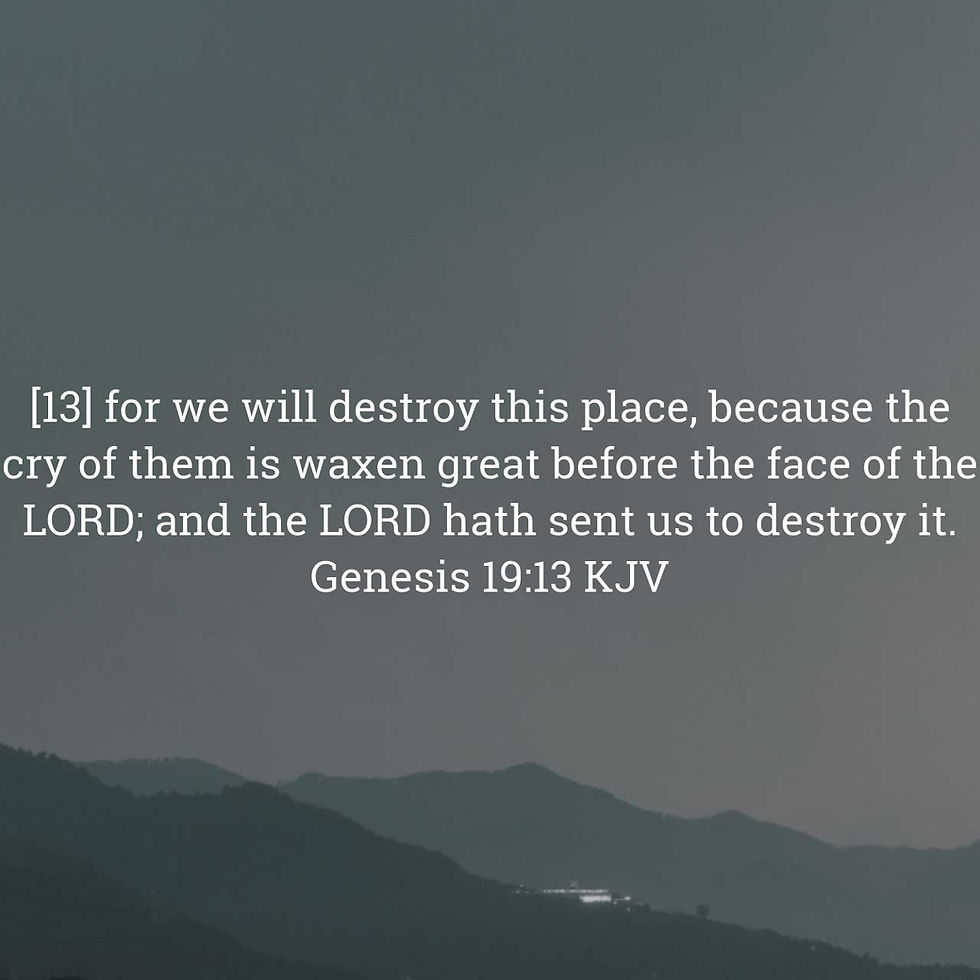
“For we will destroy this place, because the cry of them is waxen great before the face of the LORD; and the LORD hath sent us to destroy it.”
Genesis 19:13 is a solemn declaration of judgment. In this verse, the hesitation of earlier chapters disappears. The mercy extended through warning reaches its final limit. The angels speak plainly, directly, and without softening: “We will destroy this place.” The patience of God has come to its appointed end, and the full weight of divine justice is about to fall.
To understand the severity of this statement, we must remember that God’s judgment is never rash or impulsive. His anger is not like human anger, being unstable, emotional, or reactionary. His judgment is the settled, righteous response of a perfectly holy God to persistent, unrepentant wickedness. The destruction of Sodom is not the decision of a moment; it is the conclusion of centuries of divine observation, long-suffering, and mercy. The people of Sodom had been given time. They had been given witness. They had been given Lot, a righteous man among them. Yet, they hardened their hearts until their sin reached a point where judgment was not only deserved but necessary.
The angels say: “because the cry of them is waxen great before the face of the LORD.” This statement pulls back the veil on how heaven sees human evil. Sin is not silent. Wickedness makes noise. Oppression, cruelty, violence, corruption, and rebellion, all of it rises like a cry to God. When people suffer injustice, their pain cries out. When the vulnerable are harmed, their wounds cry out. When sin destroys lives, families, and communities, heaven hears the devastation like a scream.
Sodom’s sin was not merely personal immorality; it was collective depravity. It was a society that had normalized violence, abuse, dishonor, and cruelty. The “cry” of Sodom was the accumulated sound of years of wickedness, rising louder and louder until it reached the face of God. In that sense, judgment was not arbitrary; it was a necessary answer to the cries of the broken and the oppressed. God’s justice is His commitment to set right what evil has broken.
And now, finally, the angels declare the outcome: “The LORD hath sent us to destroy it.” This line carries a sobering truth: when the time for mercy ends, when the season of patience closes, God’s judgment is swift, decisive, and unstoppable. No power in heaven or Earth can reverse it. No walls can shield from it. No excuses can delay it. Once God has decreed judgment, it comes with perfect precision and irresistible force.
This is one of the most frightening realities in Scripture: when God rises to judge, there is no escape.
Lot cannot negotiate anymore. The city cannot plead. The wicked cannot resist. The angels are not acting on their own initiative; they are executing a divine command. Judgment is already sealed. It is important to understand that this is not the anger of a petty deity but the justice of a holy God whose patience has been rejected repeatedly. When God judges, He does so fully and completely. There are no half-measures in divine wrath. When the Flood came, it came in overwhelming power. When Egypt was judged, no army or god could stand. When Sodom is judged, the destruction will be total.
This verse also reveals something else: God’s judgment is not only swift but awesome, in the sense of overwhelming, majestic, terrifying. When God acts in righteousness against sin, His holiness is displayed with a gravity that shakes the Earth. The destruction of Sodom will not be a random disaster; it will be a display of divine authority. The fire that falls is not natural but supernatural. It is judgment that comes directly from heaven, unmistakable and absolute.
There is also a theological weight here that must not be ignored: Judgment always comes after divine examination. Earlier, God “went down to see” the city in Genesis 18:21. He examined. He listened. He waited. He responded to Abraham’s intercession. He sent angels to test the hearts of the people through their treatment of Lot. Only after all of this does He declare, “We will destroy this place.”
This shows that God never judges without evidence. He never condemns without reason. His justice is perfect; His knowledge complete. When He acts, He acts with full understanding and flawless righteousness.
Finally, this verse reminds us of the unavoidable reality of God’s judgment: when God decides to judge sin, no one can outrun Him. People today often assume judgment is far away, or unlikely, or symbolic. But Genesis 19:13 confronts us with the truth that the holiness of God cannot be ignored forever. The day comes when mercy gives way to justice, when warnings become reality, and when the God who sees all things arises to act.
For Sodom, that day had come.
And yet, even in the shadow of destruction, there is a glimmer of mercy. The angels warn Lot before executing judgment. God does not destroy the city without pulling His righteous one to safety. Even in wrath, He remembers compassion. Even when His judgment is swift, His salvation is real.
In Genesis 19:13, we see the awesome and unavoidable judgment of God. But we also see the unwavering faithfulness of God to His people. The God who destroys Sodom is the same God who rescues Lot. The God who judges sin is the same God who saves the righteous. His judgment is terrifying, but His mercy is immeasurable.
And both truths stand side by side in this verse, calling us to fear Him, trust Him, and walk in His righteousness.
If you would like to explore Genesis in a sustained, verse-by-verse way with space to reflect, journal, and trace how these foundational truths unfold through Scripture the Verse by Verse book expands these reflections into a unified reading experience. The book gathers these meditations into a structured journey through Genesis, designed to help readers linger in the text and engage God’s Word more deeply over time.


Comments