
Genesis 19:15 Daily Devotional & Meaning – The Angels Hastened Lot, the Morning of Mercy, and the Danger of Lingering

Daily Verses Everyday! Day 80
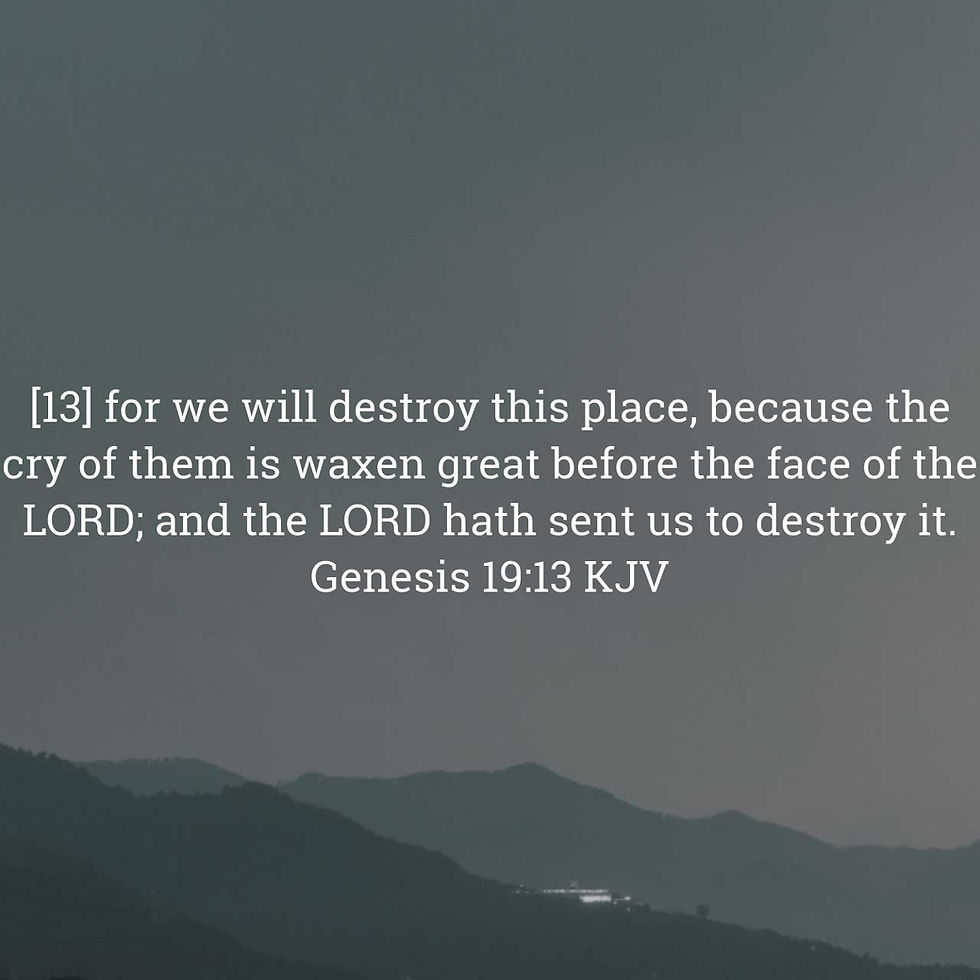
“And when the morning arose, then the angels hastened Lot, saying, Arise, take thy wife, and thy two daughters, which are here; lest thou be consumed in the iniquity of the city.”
There is something profoundly striking about the timing here. The angels arrived the previous evening, the danger was already urgent, judgment was imminent, and yet, the text tells us that they waited until morning. The very idea that God’s messengers would delay even a single hour seems almost puzzling. If destruction was so near, why did they not compel Lot to flee the moment the mob dispersed? Why wait until the sun rose over a city already marked for ruin? This delay is not a mistake or oversight; it is a revelation of God’s character and a mirror held up to human reluctance, hesitation, and the strange ways we cling to the familiar even as it collapses around us.
The waiting until morning highlights, first, God’s patience. The Lord does not operate with human impulsiveness. Even in moments of judgment, Scripture consistently shows Him giving space for repentance, space for obedience, space for a final response to His mercy. The angels warned Lot during the night, but the time before dawn served as an unspoken window of grace, a final chance for Lot, his wife, and his daughters to prepare their hearts to leave behind everything they knew. God’s judgment is never rash. Even when destruction is certain, His mercy remains evident in the pauses, the waiting, the extended hand. Morning becomes a symbol of both urgency and mercy: a new day rising but the last day before disaster.
It is also interesting that the angels had to hasten Lot in the morning, as though even with an entire night to reflect, Lot was still lingering, still slow, still struggling to let go. This tells us something uncomfortable about human nature. Leaving Sodom was the obvious right choice and God Himself had said destruction was coming. And yet Lot hesitated. He moved slowly. Perhaps he kept thinking of friends he would never see again, possessions he would lose, a home he had built, routines he had grown used to. Sinful environments have a way of sinking hooks into the heart, so that even when we are convinced of God’s judgment, part of us still clings to the life we should be fleeing. Morning did not magically produce readiness in Lot; it only intensified the need to obey. This shows that the passage of time does not change the heart, only surrender to God does.
The angels waiting until morning also demonstrates that God controls the timing of judgment. Even though the wickedness of Sodom was overflowing, God chose the moment of their downfall. Judgment did not come during the riot outside Lot’s house nor in the dead of night. God chose sunrise, a moment when the whole city would be awake, when no one could claim darkness or confusion, when the warnings Lot attempted to give could not be blamed on nighttime hysteria. God’s timing is always purposeful. Morning would expose the city’s true condition one final time. The rising sun cast light on their corruption, and the daylight departure removed any pretense that judgment was hidden or unfair. Sodom perished in the light, not the darkness, so that God’s righteousness would be unmistakable.
It is equally significant that the command the angels gave Lot is filled with urgency: “Arise, take thy wife, and thy two daughters… lest thou be consumed in the iniquity of the city.” The danger was not merely geographical; it was moral. The danger was not simply the physical destruction that was about to fall but the iniquity of the city itself—the spiritual contamination, the moral corrosion, the ever-tightening grip of a place that resisted God to its final breath. Staying in Sodom any longer was not just risky; it was deadly. This is a warning that applies to every believer in every generation. What we refuse to walk away from can destroy us. What we delay leaving behind may consume us. Lingering near sin is never neutral; it is always dangerous. The angels did not say “lest you be hurt” but “lest you be consumed.” Judgment was coming for the city, but those who linger in the environment of sin often share in the consequences of that environment.
Despite the urgency, God waited until morning. His patience, His mercy, and His compassion are woven into every minute that passed between the angels’ arrival and Lot’s actual escape. But the moment the sun rose, the waiting ended. When morning came, mercy took the form of insistence. The angels hastened Lot because mercy sometimes has to push, prod, and even drag us out of harm’s way. The whole scene is a picture of God pulling sinners out of destruction, not because they run eagerly into His arms but because His grace refuses to let them die where they are.
The fact that they waited until morning shows the astounding patience of God, the sobering reluctance of Lot, and the unwavering certainty of judgment. It shows that God does not rush to destroy but offers warning after warning until the final moment. It shows that even believers can be slow, half-hearted, or entangled in the world they should leave behind. And it shows that when God says “Arise,” it is time to rise no matter what we must leave behind, no matter what we are tempted to miss, no matter how comfortable we have become in places that were never meant to be our home. The morning light in Sodom was not just the beginning of judgment; it was the final call of mercy.
If you would like to explore Genesis in a sustained, verse-by-verse way with space to reflect, journal, and trace how these foundational truths unfold through Scripture the Verse by Verse book expands these reflections into a unified reading experience. The book gathers these meditations into a structured journey through Genesis, designed to help readers linger in the text and engage God’s Word more deeply over time.


Comments