
Genesis 19:18 Daily Devotional & Meaning – Lot’s Hesitation, Slavery to Sin, and the Call to Follow God Fully

Daily Verses Everyday! Day 81
“And Lot said unto them, Oh, not so, my Lord:”
Genesis 19:18 is a surprisingly small verse, yet packed with profound spiritual insight. Set in the middle of one of the most dramatic moments in the Old Testament, the imminent destruction of Sodom, it captures a very human response to divine deliverance. The angels have just told Lot what to do: Run. Escape. Don’t look back. Judgment is about to fall, and God in His mercy is literally dragging Lot and his family out of the city. One would expect Lot, in such a moment, to simply obey and sprint forward in gratitude and urgency.
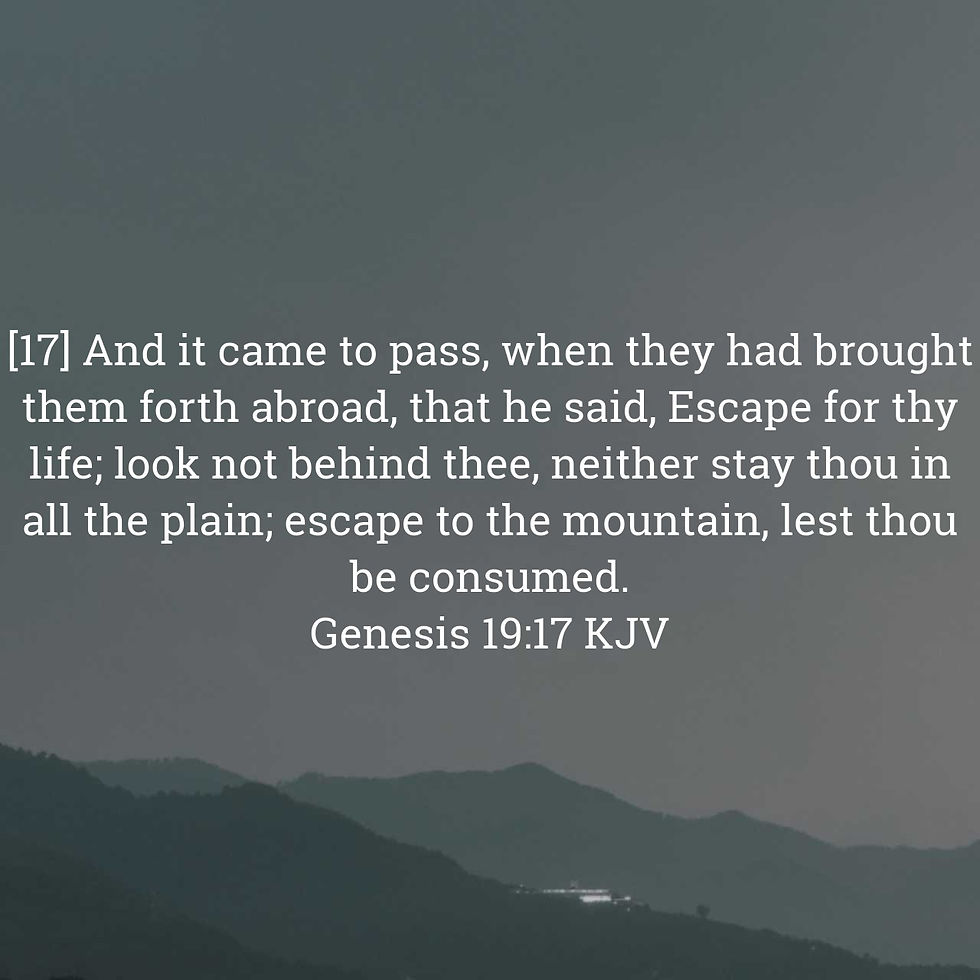
But instead we read: “And Lot said unto them, Oh, not so, my Lord.”
This short response becomes a window into the heart of humanity, a mirror for our own spiritual hesitation, and an illustration of Paul’s teaching that although we were once slaves to sin, we become slaves to righteousness now in Christ (Romans 6:17–18). Lot’s reluctance to fully embrace God’s rescue exposes the tension of a divided heart: one foot in the mercy of God and one foot still tangled in the familiar comforts of the past. It shows how deeply sin enslaves, not merely by outward behavior but by inward attachment.
At this point in the story, Lot is being saved from complete and total destruction. Fire and brimstone are about to fall. The judgment of God is coming swiftly, and the angels’ command was not optional. Yet Lot hesitates. Why? Not because the angels’ instructions were confusing. Not because the danger wasn’t real. Rather, because his heart was still partly bound to the life he had built in Sodom. The city was corrupt, wicked, and perverse, but it was also familiar. It was what he knew. Its rhythms, routines, social structures, and comforts had shaped his daily existence. And even though God was pulling him out of death and toward life, part of him wanted something softer, safer, more convenient than the radical obedience God required.
This is exactly the spiritual condition Paul addresses when he speaks of slavery to sin. Before Christ redeems us, we are not just people who occasionally sin, we are people held by sin. It shapes our instincts, desires, and habits. And even after God begins His saving work in our lives, even after His grace drags us away from destruction, we still sometimes find our hearts saying, “Oh, not so, Lord.” Not because we reject salvation but because we resist the total seriousness of the call to leave our old life behind.
Lot’s hesitation represents that moment every believer experiences: the clash between God’s call and our comfort, between His deliverance and our reluctance, between His righteousness and our remaining affection for what He rescued us from.
Paul’s language in Romans 6 is strong on purpose. He does not say we simply walk away from sin; he says we have been transferred from one form of slavery to another. This is important, because sin is not merely bad behavior; it is bondage. It shapes our identity, our loves, our sense of normal. When God calls us out, we sometimes instinctively look back, not because the old life was good but because it was ours. Lot’s words capture that internal tug-of-war: “Oh, not so, my Lord.”
The stunning mercy in this story is that God does not abandon Lot because of this moment of hesitancy. Even after this wavering response, the angels still carry out the rescue. God’s grace is not fragile. It does not shatter the moment we show our weaknesses. The angels do not say, “Fine then, stay.” They continue guiding, directing, and saving Lot despite his fear and reluctance. This reflects the truth Paul celebrates in Romans that while sin once mastered us, God’s grace is the stronger master. Christ is not merely offering us a choice; He is claiming us, freeing us, taking hold of us, and reshaping us into people who love the righteousness He calls us toward.
But Lot’s response also teaches a solemn warning. Hesitation in the moment of God’s command is dangerous. The story of Sodom is not merely about judgment but about urgency. When God calls us out of sin, when He warns us, when He commands us to flee from destruction, the right response is immediate obedience. Lot’s wife becomes the tragic picture of what happens when the heart refuses to let go. She looked back, longing for what God was destroying. She is the embodiment of the person who wants salvation without transformation, deliverance without detachment.
Paul’s message is the opposite: salvation is transformation. If Christ frees us from sin, He frees us completely. We cannot cling to old patterns, old lusts, old identities, or old comforts. We cannot be pulled out of Sodom by God’s grace and still look longingly over our shoulder. To become slaves of righteousness means we belong wholly to Christ, heart, mind, will, and desire.
Lot’s story illustrates this with sobering clarity. His salvation is messy, complicated, and filled with human weakness, but God still brings him out. And in that rescue, we see both halves of the Gospel: the mercy that saves us as we are, and the call that commands us to leave what we once loved behind.
Genesis 19:18 reminds us that salvation always requires movement. God brings us out, but we must walk forward. Grace pulls us, but we must not resist. The old life calls, but we must answer to a new Master.
And when our hearts whisper, “Oh, not so, my Lord,” we must remember Paul’s triumphant declaration: “But thanks be to God, that you who were once slaves of sin have become obedient from the heart… and, having been set free from sin, have become slaves of righteousness.”
God’s call is not merely away from destruction but toward a new way of being. Lot’s hesitation warns us; God’s mercy toward him encourages us; and Paul’s words strengthen us. We are no longer chained to our old life. We belong to Christ. And because we belong to Him, we follow Him—not back toward Sodom but forward into the life He has prepared for us.
If you would like to explore Genesis in a sustained, verse-by-verse way with space to reflect, journal, and trace how these foundational truths unfold through Scripture the Verse by Verse book expands these reflections into a unified reading experience. The book gathers these meditations into a structured journey through Genesis, designed to help readers linger in the text and engage God’s Word more deeply over time.


Comments